BTC Hardware Ops
Back in 2019, a BTC-aware investor approached us with an idea: run miners at home, but do it right. No off-the-shelf rigs, no janky extension cords. Real infrastructure—50 amps at 240 volts, liquid cooling, physical automation, and software that could run it all unattended.
So we built it. I bought an empty electronics enclosure and designed the entire DIN rail architecture from scratch—power distribution, relay modules, sensors, and control logic. We supported both single and dual-phase power configurations, all inside an air-controlled, watertight container. Every port, every wire, every circuit was designed and assembled by hand.
On the software side, I wrote Python and TypeScript automation that used a custom protocol on top of IRC for messaging between controllers. Grafana dashboards with Prometheus handled alerting and monitoring. The whole system could manage up to 10,000 watts of home mining infrastructure.
I led a small team of three—mostly college grads I hired—to iterate on the designs, test the automations, and push the system through real-world operation. We learned how to run Antminer machines at scale, deal with thermal management, and handle the quirks of residential power.
This project is a reminder that software and hardware aren't separate worlds. Sometimes the best solution is a Raspberry Pi, some relays, and a willingness to get your hands dirty.
The controller walkthrough
A quick tour of the custom controller enclosure—power distribution, relay logic, and the physical automation that kept miners running 24/7.
Inside the build
From empty enclosure to production controller—DIN rails, power distribution, and custom wiring.
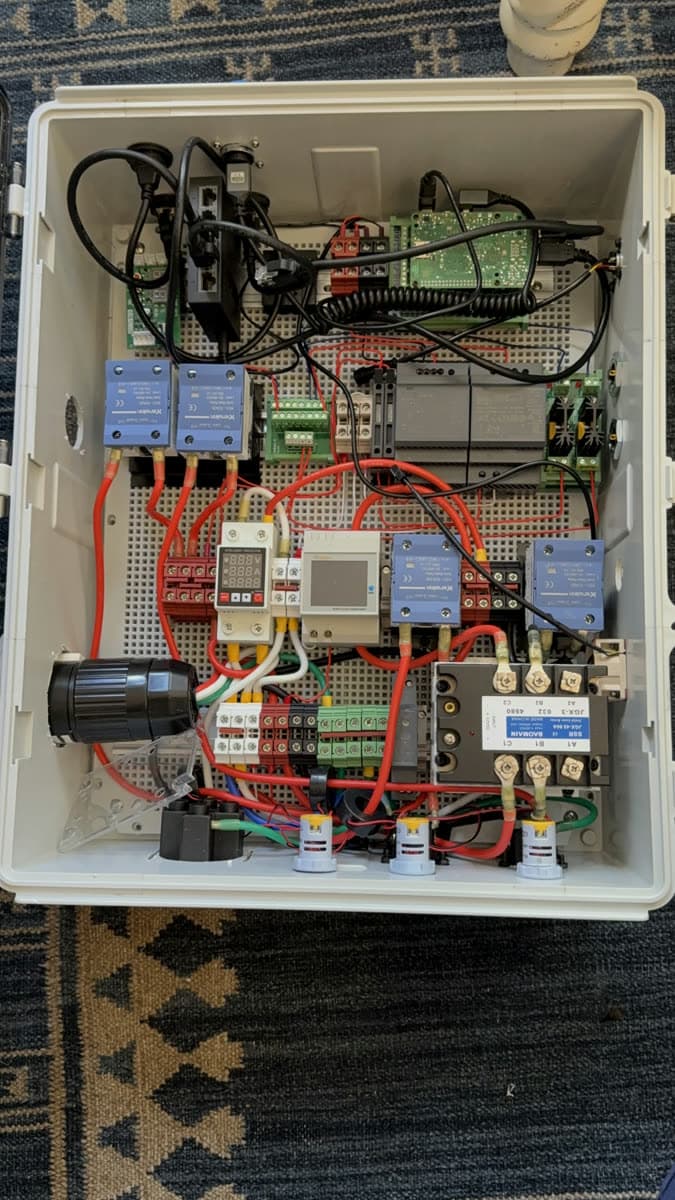
DIN rail layout with power distribution and relay modules
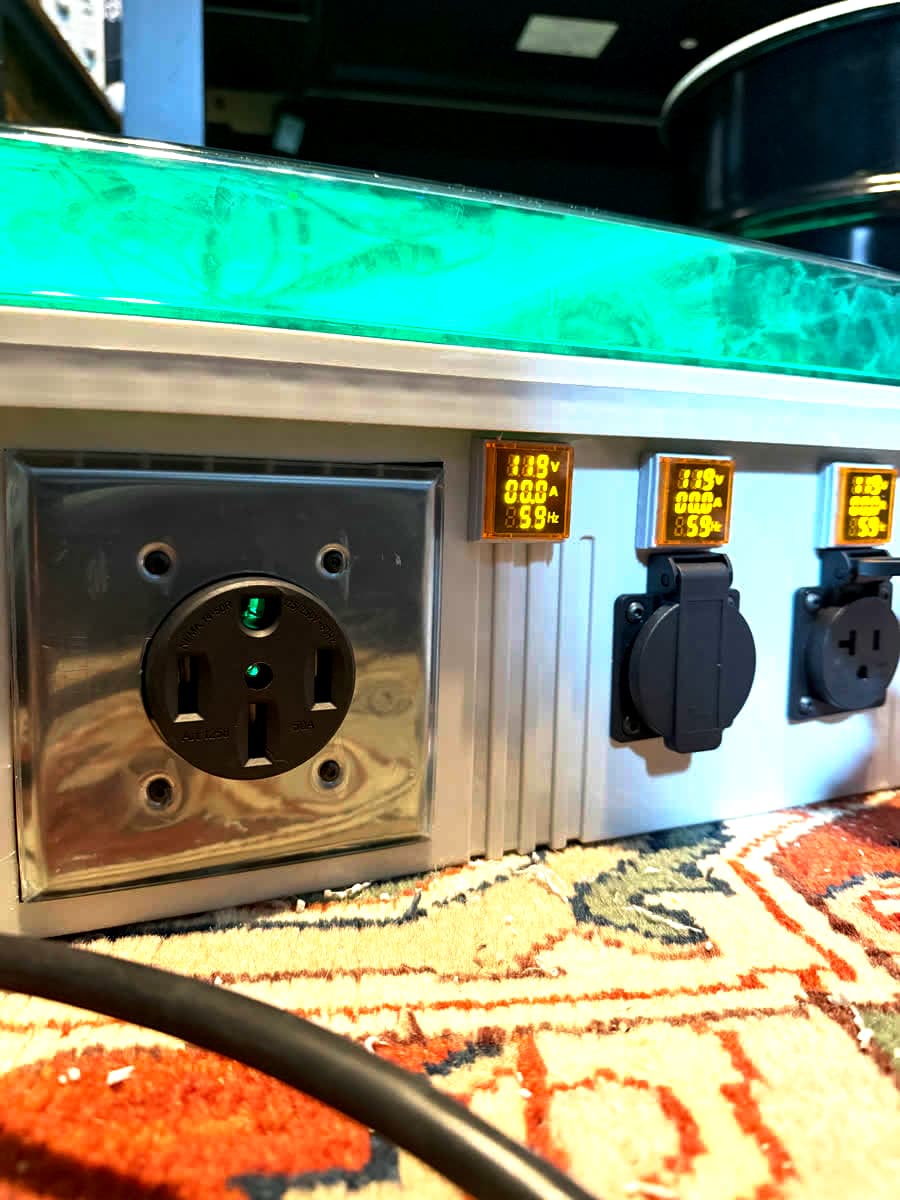
Custom 240V outlets for miner connections
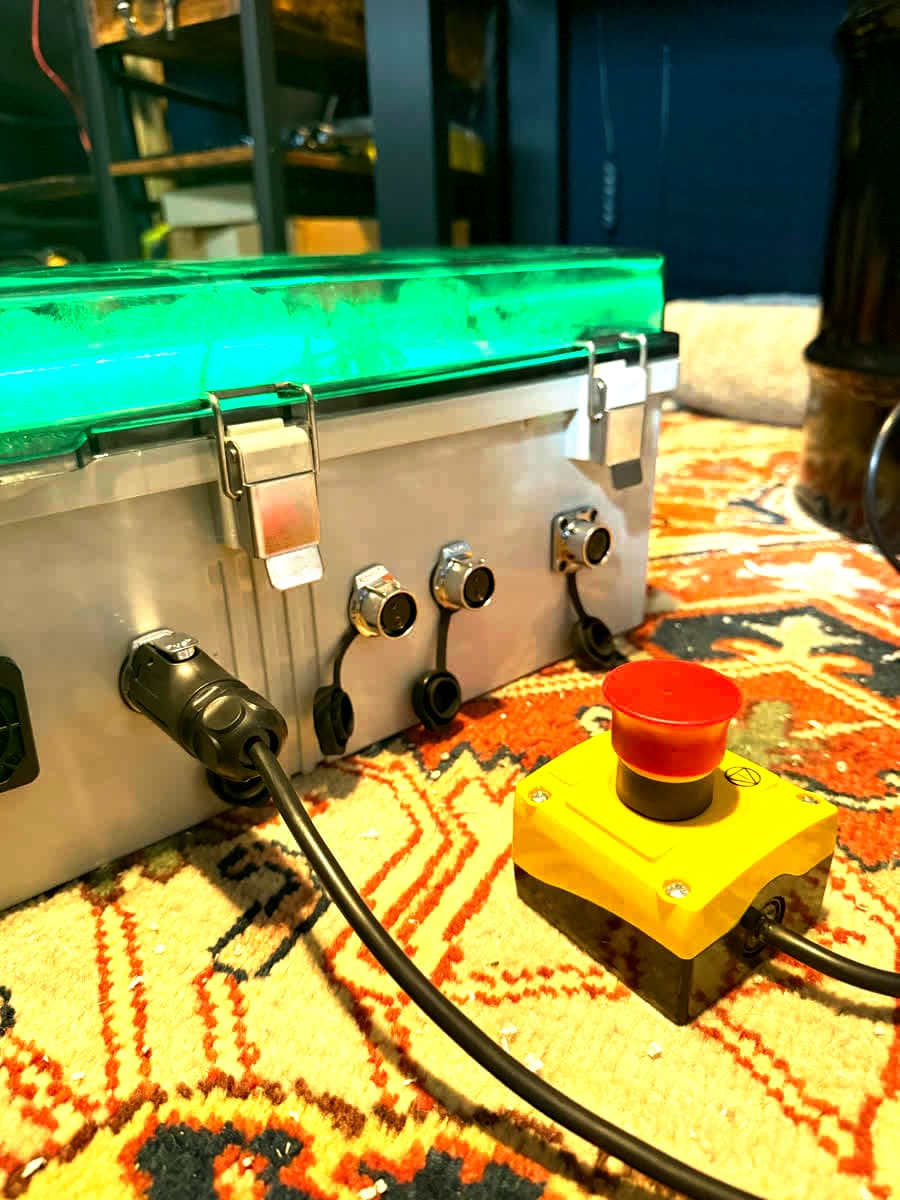
E-stop and manual override controls
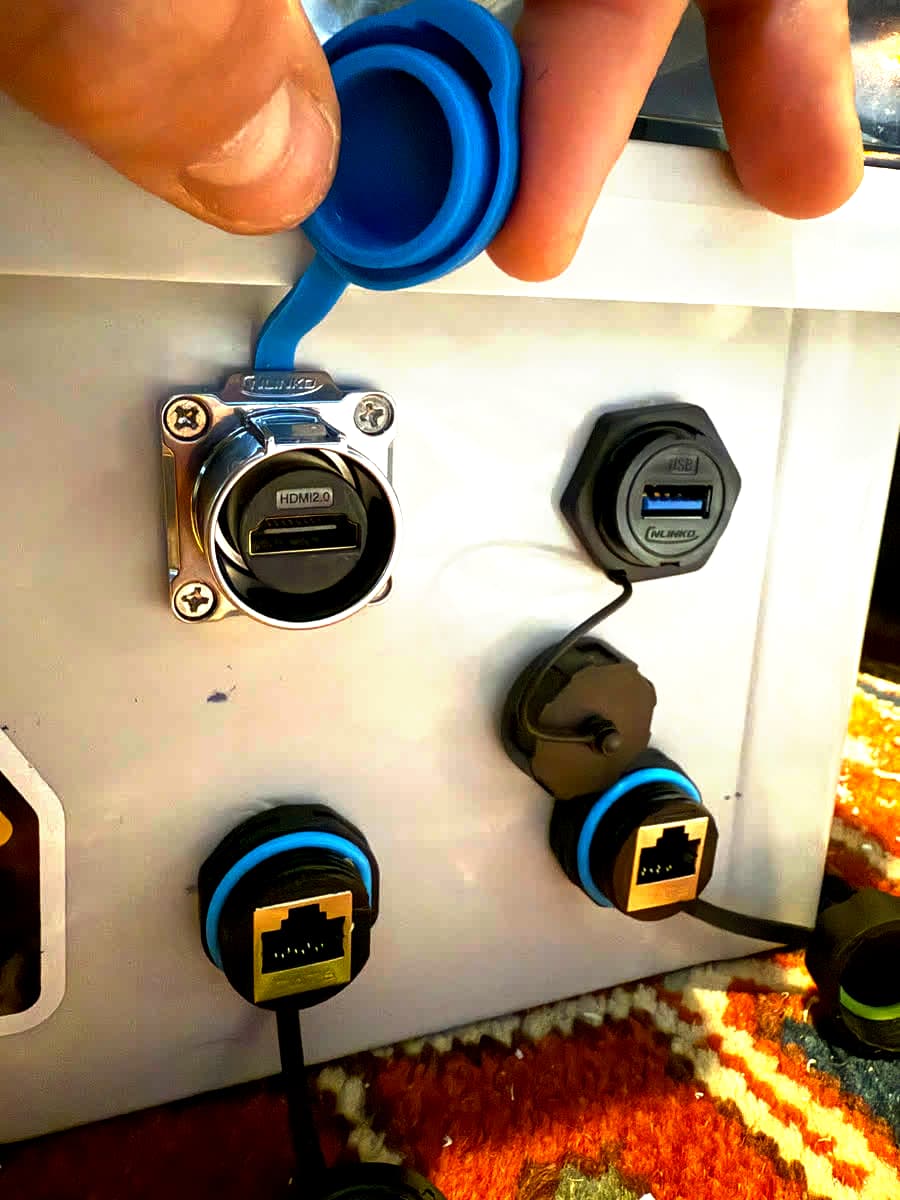
Raspberry Pi controller with network and sensor ports
What we used
Hardware
DIN rail enclosures, 50A breakers, solid-state relays, terminal blocks, custom 240V outlets, temperature sensors, flow meters
Compute
Raspberry Pi 4 controllers, custom Python daemons, TypeScript orchestration, IRC-based messaging protocol
Monitoring
Prometheus metrics, Grafana dashboards, SMS/Discord alerting, thermal and power monitoring
Cooling
Custom liquid cooling loops, radiators, pumps, reservoir tanks, glycol-based coolant for thermal management
Power
Single and dual-phase 240V support, per-circuit monitoring, automated load balancing, emergency shutoff
Mining
Antminer S9/S17 support, pool configuration management, hashrate monitoring, automatic restart on fault
How it came together
Initial design (2019)
Started with requirements from our investor partner. Researched Antminer power requirements, thermal profiles, and residential electrical constraints. Sketched the first enclosure designs.
Hardware buildout
Ordered components—enclosures, DIN rails, breakers, relays, terminal blocks. Designed the power distribution layout. Wired and tested each circuit. Built custom 240V outlet panels.
Software automation
Wrote Python daemons for relay control and sensor monitoring. Built TypeScript orchestration layer. Designed IRC-based messaging for controller communication. Set up Grafana dashboards.
Team scale & iteration
Brought on three team members to help test and iterate. Refined the liquid cooling design. Improved fault tolerance and alerting. Scaled to support up to 10kW of mining infrastructure.
Hardware meets software
Whether it's data pipelines, AI systems, or custom hardware—I build things that work in the real world.
Let's talk